
Here’s the short version: WeddingWire and DJ booking software serve different purposes. WeddingWire is a directory that helps couples find you. Booking software runs the business behind the gig — quotes, contracts, deposits, and gear. The real question isn’t which one wins. It’s which one fixes the bottlenecks in your system.
If you’ve ever stared at a Friday-night inquiry knowing you need a signed contract by Monday — and realized you’re tracking the whole thing in your inbox — you already know which problem is costing you. Let’s break down where each tool helps, where each one doesn’t, and how to spend your money in the right place.
DJ booking software vs WeddingWire at a glance:
Pricing as of 2026. WeddingWire pricing is not published; ranges are from independent reviews.
Key Takeaways:
-
They solve two different problems.
WeddingWire is a directory that helps couples find you. Booking software runs the business behind the gig — quotes, contracts, deposits, and gear.
-
Leads alone don't pay you.
A full inquiry inbox still leaves you chasing contracts and payments by hand. The bottleneck for most growing DJ businesses is management, not lead volume.
-
Directory ads get expensive fast.
WeddingWire listings often start around $125–150/mo on a 12-month contract and can climb past $1,000 in competitive markets, with no booking tools attached.
-
Most DJs end up needing both.
Keep the directory if it sends you good leads, then run everything after the inquiry through dedicated booking software.
-
VOX DJs is the proof.
After switching to Goodshuffle Pro, this DJ company started getting paid in hours instead of a week and doubled the customers it could handle.
Lead Generation vs. Business Management
WeddingWire and booking software sit at opposite ends of the same job. One gets the inquiry in the door. The other turns that inquiry into a signed, paid, well-run gig. Confusing the two is how DJs end up paying for leads they can’t keep up with.
WeddingWire (now part of WeddingPro, alongside The Knot) is a marketplace where engaged couples browse and contact vendors. It connects more than 250,000 wedding businesses with couples actively shopping, per its own vendor materials. That gets you visibility in front of buyers who are ready to spend.
But the inquiry is where WeddingWire’s job ends. It won’t build your proposal, hold a deposit, or tell you the speaker rig is already booked for Saturday. That’s the work that eats your evenings, and it’s exactly what DJ booking software is built for: branded quotes a client can sign and pay in one link, deposits collected online, and real-time tracking of your gear and your calendar.
What Will You Pay?
The two tools price completely differently. WeddingWire sells advertising on annual contracts; booking software is a monthly subscription you can usually start or stop on your terms. That difference matters more than the sticker price.
WeddingWire doesn’t publish fixed rates. Independent reviews put premium listings at roughly $125–150 per month to start, climbing past $1,000 in competitive markets, typically on a 12-month commitment. One long-running wedding-business educator summed up the catch:
“Simply getting more inquiries doesn’t necessarily lead to more bookings.”
— Heidi Thompson, Evolve Your Wedding Business, 2026
Goodshuffle Pro, by contrast, publishes its pricing. The Lite plan starts at $39/mo for solo DJs who mostly need professional quotes and organized gear; Standard adds team coordination, dedicated onboarding, and more advanced features as you grow. You’re paying to run the business, not to rent a spot in a directory.
What's the Client Experience Like?
From the couple’s side, WeddingWire and booking software show up at different moments. WeddingWire is where they first find and message you. Booking software is everything they feel after that — and it’s where you either look like a pro or look like a hassle.
On WeddingWire, a couple sends an inquiry through the platform’s inbox and waits. What happens next is on you. If your follow-up is a plain email with a PDF attachment and a “Venmo me the deposit,” you’re competing on price with every other DJ in their inbox.
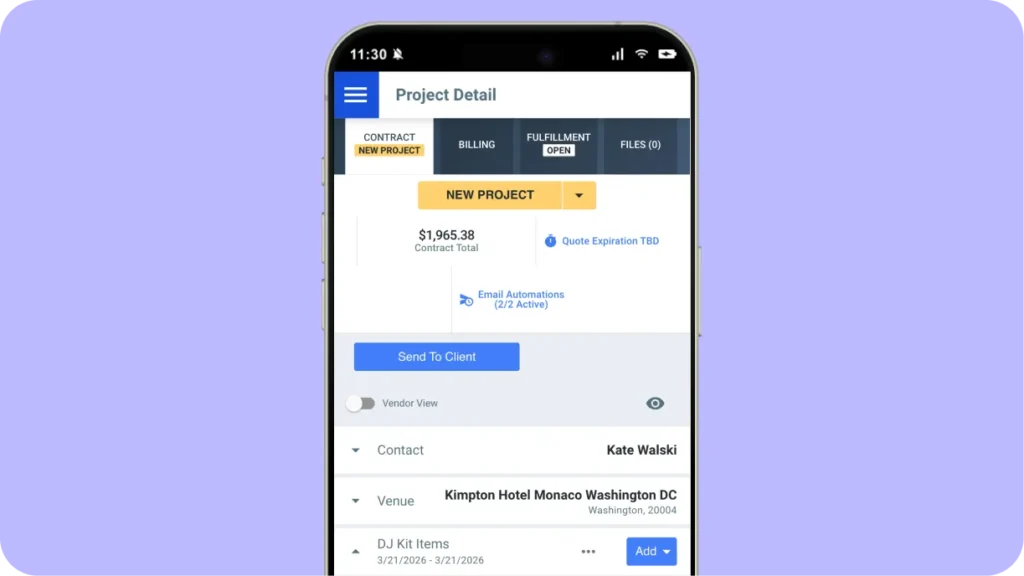
With booking software, that same couple gets a branded proposal they can review, sign, and pay from one link — and you can see when they’ve opened it. Faster, cleaner follow-up is a real edge: Goodshuffle Pro reports that 50% of contracts get signed within five minutes of being sent. The polish does the convincing for you.
Where Each Platform Saves Your Hours
Booking software is where the hours actually come back. WeddingWire can shorten the search for clients, but it adds zero efficiency to the admin work behind each gig. Booking software attacks the three time sinks every working DJ knows.
Quoting and Contracts
Rebuilding the same proposal from scratch for every inquiry is dead time. With reusable packages and templates, you assemble a quote and contract in a few clicks, send it branded, and skip the back-and-forth of a separate e-signature tool.
Deposits and Payments
Chasing money is the worst part of the job. Built-in payments let you collect a deposit the moment a client signs and accept card payments without manual invoicing. That’s the difference between getting paid in hours and getting paid in weeks.
Gear and Calendar
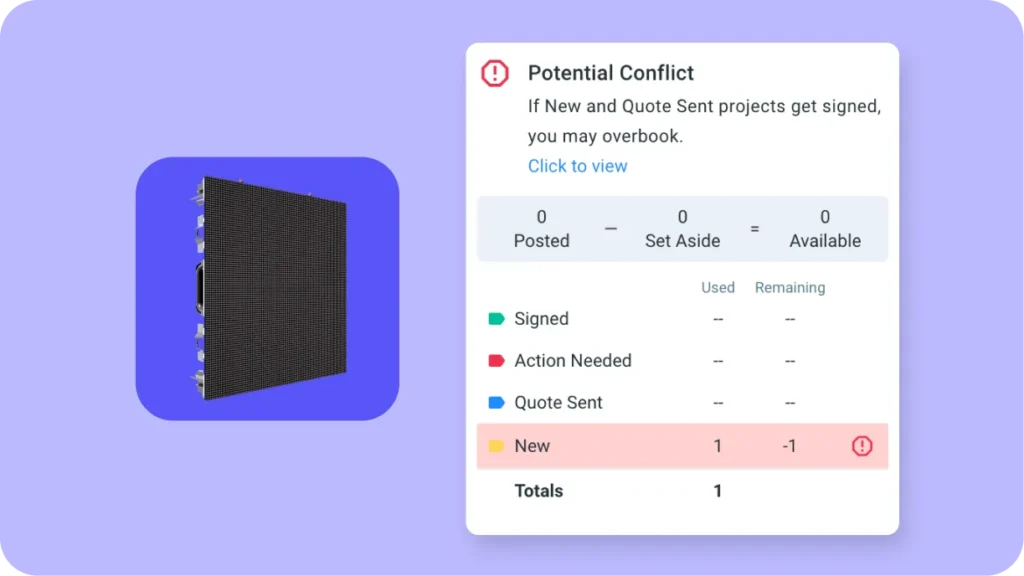
Real-time gear tracking means no more mental math about what’s out at Sunday’s wedding versus what you need for Monday’s corporate gig. You see conflicts while you’re building the quote, not the night before the show.
How Each Platform Makes You Look
Professional image is where booking software quietly out-punches a directory listing. A WeddingWire profile makes you look legitimate at the discovery stage. But the impression that actually closes the booking is everything that happens after the couple reaches out.
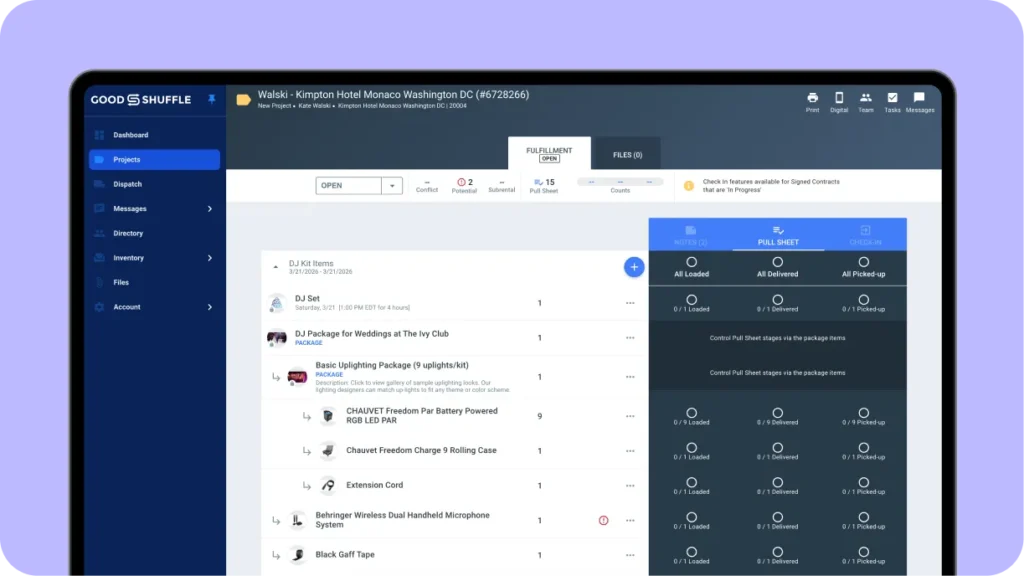
Branded proposals, digital contracts, and a clean online payment flow signal that you run a real business — even if it’s just you and a controller. If you’ve grown to a crew, limited user permissions let your setup team see pull sheets and gear lists without ever seeing your client rates or financials. You look buttoned-up at every step, not just in the directory.
Where WeddingWire Wins
To be straight about it: WeddingWire does one thing booking software can’t. It puts you in front of couples who are actively shopping for a DJ and don’t know you exist yet. Booking software assumes you already have the lead.
If you’re newer, in a competitive market, or trying to fill a slow season, that visibility can be worth the spend. Directory leads also tend to be cheaper per lead than running your own paid ads. The honest trade-offs are the annual contract, the price-shopper couples a directory tends to attract, and the recurring complaints about lead quality — but the discovery function is real, and no booking tool replaces it.
What Switching Actually Looks Like
Moving your business into booking software is less disruptive than most DJs expect — and the payoff shows up fast. The clearest example is VOX DJs, one of the largest DJ companies on the west coast, with 160+ employees across four offices in California and Arizona.
VOX had been tracking gear on clipboards and waiting about a week to get paid. After switching to Goodshuffle Pro, owner KC Campbell describes a different reality:
“In the old days, it took an average of one week to get paid. Now we’re getting paid within hours.”
— KC Campbell, VOX DJs
The company reports a 90% increase in payment speed, a 50% jump in booking capacity, and 50% less time building quotes — and it dropped a planned DocuSign subscription once it realized the contract tools were already built in. Onboarding for most businesses runs about two to three weeks, with a dedicated specialist and free training on Standard plans and above.

Which One Fits Your DJ Business?
Pick based on your actual bottleneck, not the louder pitch. If you can’t get enough couples to find you, a directory like WeddingWire earns its keep. If the inquiries are coming but you’re drowning in quotes, contracts, and payment chases, that’s a management problem — and that’s what booking software fixes.
If you’re a solo DJ getting steady inquiries: the win is looking professional and getting paid faster. Start with booking software and skip or scale back the directory spend.
If you’re newer or in a crowded market: keep WeddingWire for discovery, but don’t expect it to run your business. Pair it with booking software so the leads it sends actually convert.
If you rent gear or run a crew: you’ve outgrown a directory and an inbox. You need real-time gear tracking, crew permissions, and one system for quotes, deposits, and logistics.
Most growing DJ businesses land in the same place: a directory can fill the top of the funnel, but the business runs on booking software. Get the management side right, and every lead — wherever it comes from — turns into more booked, paid, and well-run gigs.
FAQs
No. WeddingWire is a vendor directory and advertising marketplace — it helps couples discover and contact you, but it doesn’t manage bookings. It has no real contracts, no deposit collection, and no gear tracking. To run the business after the inquiry comes in, DJs use dedicated booking software like Goodshuffle Pro.
WeddingWire (now WeddingPro, alongside The Knot) doesn’t publish fixed pricing. Premium listings commonly start around $125–150 per month and can exceed $1,000 per month in competitive markets, usually on a 12-month contract. Cost depends on your market and category.
Yes, and many DJs do. WeddingWire brings in couples actively shopping for entertainment; booking software handles the quote, contract, deposit, and logistics once they reach out. They’re complementary — one fills the funnel, the other runs it.
Look for software that sends branded quotes, collects deposits online, and tracks your gear without a steep learning curve. Goodshuffle Pro’s Lite plan starts at $39/mo and is built for solo event pros who want to look professional and stop managing gigs out of spreadsheets and email.
Not for your bookings. WeddingWire is built around lead generation and reviews, not payment processing. To collect deposits and final payments online, you need separate booking software with built-in payments — that’s where a tool like Goodshuffle Pro’s Stripe-powered quotes comes in.

Share On