



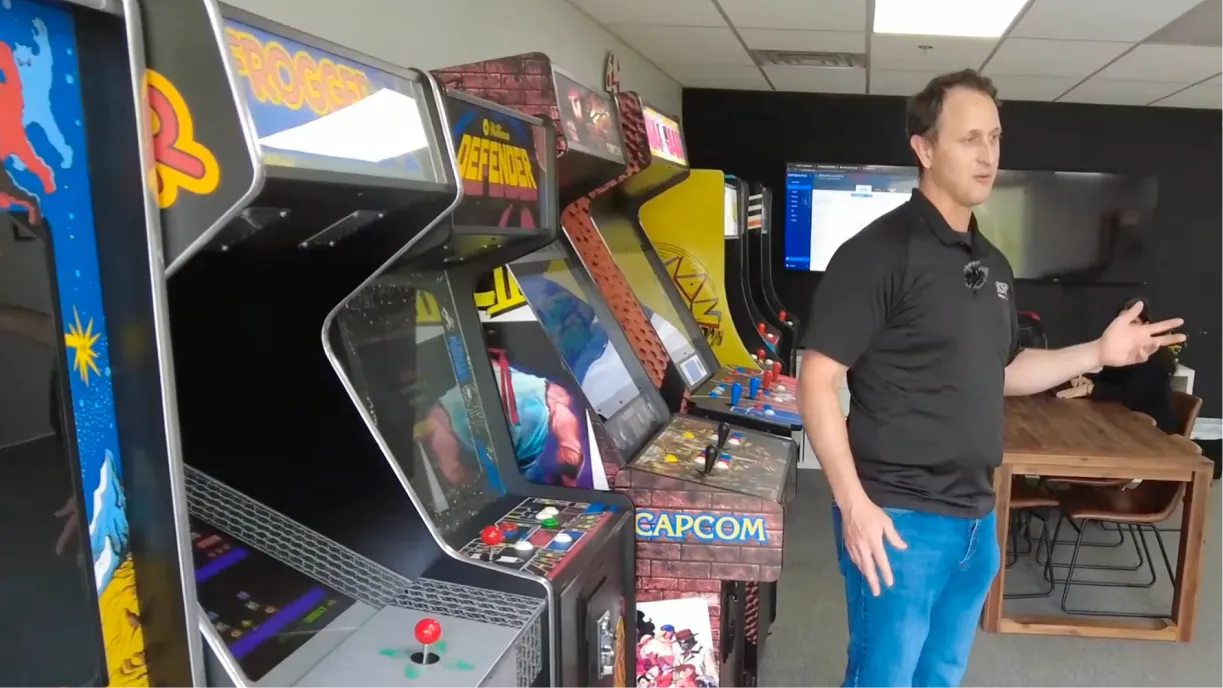
Good event rental warehouse organization comes down to making every square foot earn its keep, not having the most space. Nick Muzzatti runs Snap Entertainment, an arcade and photo booth rental company in Columbia, Maryland, out of about 3,500 square feet — and he gave us a tour of how he makes it work. What stands out isn’t fancy equipment. It’s a handful of simple, repeatable habits any amusement rental operator can borrow.
Puntos clave:
-
Smaller can be the smart move.
Snap Entertainment scaled from 7,500 down to about 3,500 square feet on purpose to stay financially stable while it grows.
-
Organize by how often things go out.
High-demand games live on the ground on rolling carts; rarely-booked pieces go up on shelves, reached by forklift.
-
Make every item self-contained.
Each game leaves and returns with everything it needs, so nothing gets lost between events.
-
Custom branding can become its own revenue stream.
What started as corporate requests grew into an in-house wrap shop for claw machines, ski ball lanes, and more.
Why Snap Scaled Down on Purpose
Most operators expand when they grow. Nick did the opposite: Snap grew from around 1,500 square feet to 7,500, then he deliberately downsized to about 3,500 to stay financially stable while continuing to grow.
“Scaling down the space helped us stay financially stable.”
— Nick Muzzatti, Snap Entertainment
He hasn’t ruled out expanding again. The plan is to take back the extra space when the timing and the numbers are right, rather than carrying overhead the business doesn’t need yet.
(es-419) Español de América LatinaStore by How Often It Goes Out
The core rule at Snap is simple: the equipment that goes out most often lives on the ground, and the rare stuff goes up. Basketball games and ski ball lanes — booked constantly — stay at floor level on rolling Snap Lock carts so the crew can load them fast. Shuffleboard tables, oversized football games, and the occasional giant pin art go up on shelves, brought down with a forklift only when they’re booked.
“Every square foot is going to cost you money back here.”
— Nick Muzzatti, Snap Entertainment
That keeps the floor working instead of storing games that rarely get booked.
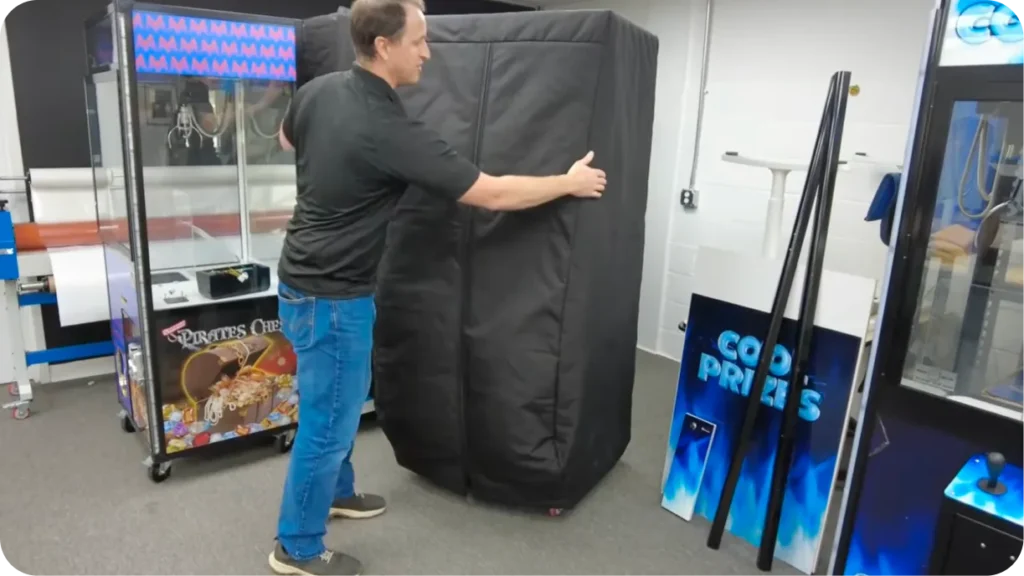
Keep Every Item Self-Contained
Snap stores most games so each one travels as a complete unit. Whatever a game needs to run at an event goes out with it and comes back with it, which keeps the crew from chasing missing parts the morning of a job.
“When this goes out, it’s got everything it needs. When it comes back, it’s got everything it needs for the next event.”
— Nick Muzzatti, Snap Entertainment
The same thinking runs through Snap’s supply system: grab-and-go bins stocked with one of everything — wrap, extension cords, surge protectors, gaff tape, cleaner — so loading a truck doesn’t turn into a scavenger hunt. Damaged gear gets pulled to a dedicated repair spot before it’s allowed back into storage. There’s more on building a system like this in our gestión de inventario para eventos guide.
(es-419) Español de América LatinaFrom Printed Pull Sheets to Digital
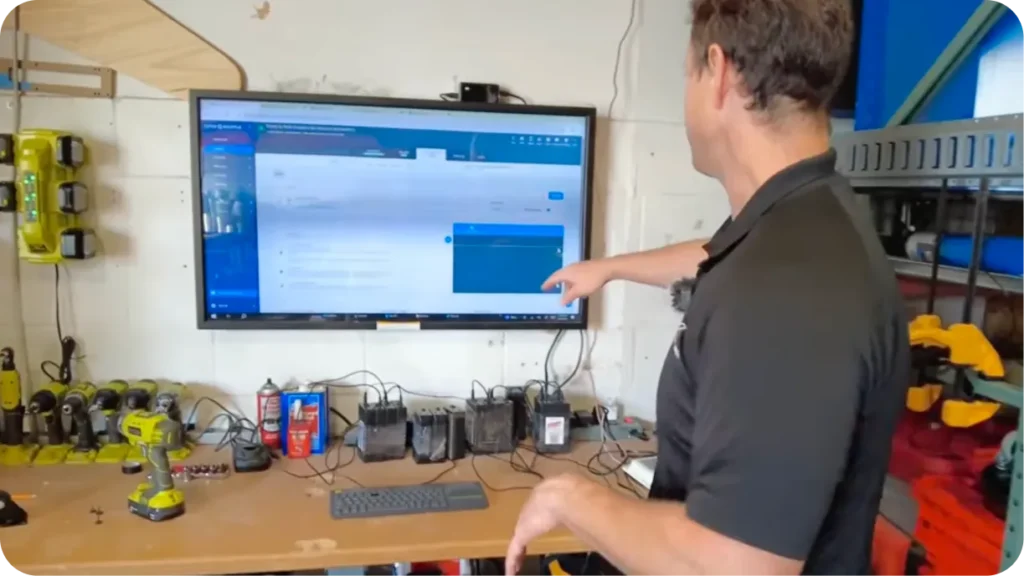
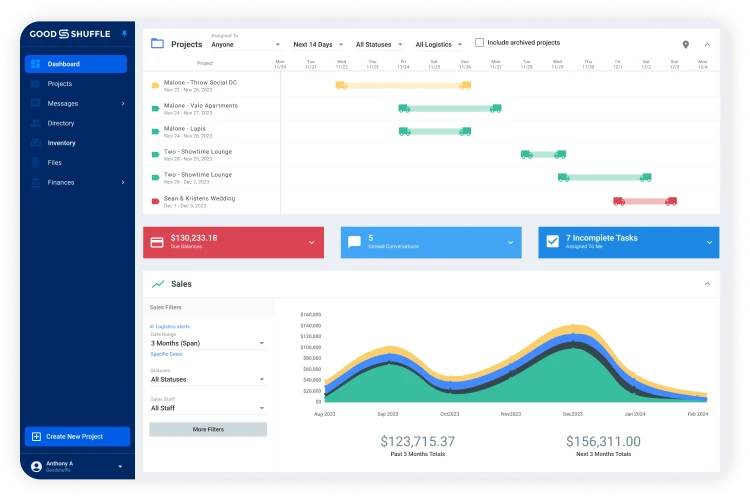
Snap is moving its warehouse off paper, on its own terms. Nick set up a touchscreen station in the loading area where the crew pulls up a project, opens the fulfillment tab in Goodshuffle Pro, and checks items off the pull sheet as they load.
“We’re still learning how to move from a printed pull sheet to using this. It’s a transition.”
— Nick Muzzatti, Snap Entertainment
He’s rolling it out at the pace that works for his team, which is exactly how digital adoption should go — deliberate, not disruptive. If you’re weighing whether to drop paper pull sheets, this take on barcodes and pull sheets vale la pena leerlo.
Custom Branding as a Revenue Stream
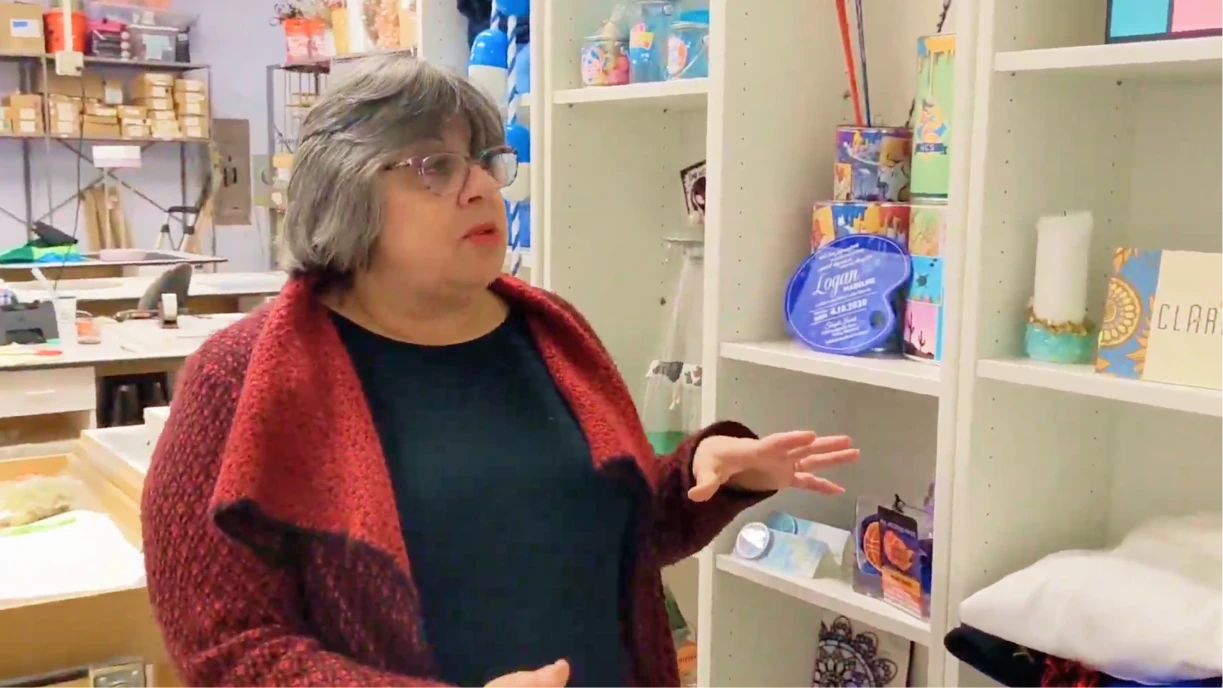
One of Snap’s back rooms isn’t storage at all — it’s a custom-branding shop. After corporate clients started asking to put their logos on equipment, Nick brought wrapping in-house with a large-format printer and cutter.
“Custom branding is something that we got into in the last couple of years, mostly as a response to corporate requests to have their brands highlighted at events.”
— Nick Muzzatti, Snap Entertainment
Now Snap wraps claw machines, ski ball lanes, air hockey tables, and more — for corporate activations and for high-end social events that want every piece to match the decor. What began as a customer request became a service the business can sell.
(es-419) Español de América LatinaFocus Beats More Space
If there’s a through-line to the tour, it’s discipline. Snap niched down into arcade games and photo booths, and Nick is deliberate about telling a real trend from a passing fad before chasing it.
“I think focus is really important in business.”
— Nick Muzzatti, Snap Entertainment
The warehouse is the physical version of that focus: a tight, well-used space that supports the work instead of inflating the overhead. You don’t always need more room to grow. You need to use the room you already have.
Descubre Goodshuffle Pro
Reserve una demostración para ver nuestro software para la gestión de eventos en acción.
Preguntas frecuentes
Store the items that go out most often on the ground and on wheels for fast loading, and put rarely-used pieces up on shelves. Group supplies into grab-and-go bins so every event leaves with what it needs, and keep one lane clear for loading plus a separate spot for repairs. The goal is to use every square foot without stacking things you can’t reach.
It can be. A smaller footprint means lower overhead, which can keep a growing business financially stable. Snap deliberately scaled down to about 3,500 square feet with plans to expand again when the timing and the numbers are right. The key is making the space you keep work hard.
Store each piece as a self-contained unit so it travels with everything it needs and returns ready for the next event. A digital pull sheet — like the fulfillment checklist in Goodshuffle Pro — helps crews load accurately instead of working from memory or paper. Pull damaged gear aside for repair before it goes back into storage.
Yes. Snap added in-house printing and wrapping after corporate clients asked for branded equipment, and it became a paid value-add. It now works for corporate activations and high-end social events that want every piece to match the decor.

Compartir en





 English
  Español de México
  Français du Canada